
The Complete Guide to Community-Based Fitness Training

Last Updated: October 30, 2026
Quick Summary
Community-based fitness improves physical health through higher effort per session, more consistent weekly volume, and progressive overload that a coach tracks. It also supports mental health through peer support and belonging, while accountability turns intentions into habits.
Adults should aim for 150 minutes of moderate activity weekly, per a 2023 WHO advisory.
Research summarized by the American Psychological Association links regular activity to reduced anxiety and depression symptoms.
When comparing classes, check instructor credentials, class size, progression path, community culture, and scheduling flexibility.
Confirm pre-participation screening, current CPR/AED certification, and a policy for adapting movements to injuries and sensory needs.
Instructors should demonstrate a regression and progression for every major movement, such as a squat to a box.
Table of Contents
Why Community-Based Fitness Training Beats Working Out Alone
The Physical Health Outcomes of Community-Based Fitness Training
Mental Health Benefits of Group Fitness That Keep You Coming Back
How Fitness Community Accountability Turns Intentions Into Habits
The Benefits of Group Fitness Training for Strength and Stamina
Why Community-Based Fitness Training Beats Working Out Alone
The benefits of community based fitness training start with a simple truth: people stick with exercise when someone notices they showed up. Solo workouts depend entirely on willpower, and willpower fades. A 2023 advisory from the World Health Organization on physical activity notes that adults should aim for 150 minutes of moderate activity weekly, yet most fall short. Stay Fit Culture is built around community and accountability, because a room full of people expecting you changes the math. Community-based fitness is the practice of training in a structured group where shared goals, encouragement, and accountability replace isolation. Below, we break down what that structure actually does for your body and your head.
The Physical Health Outcomes of Community-Based Fitness Training
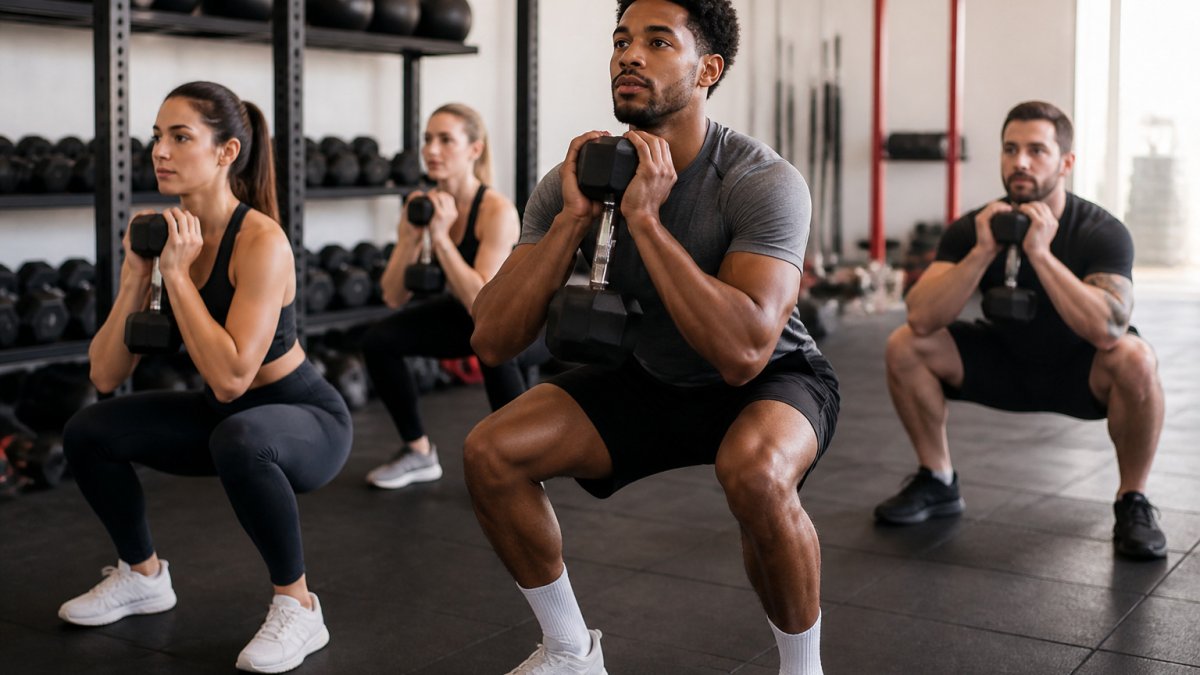
Group training produces measurable physical gains because the format itself changes the training variables. When you exercise beside others, you tend to hold poses longer, add a rep, and rest less, and those small behavioral shifts compound into physiological adaptation over weeks and months. The physical health outcomes of community-based fitness training are best understood not as a list of benefits but as a set of mechanisms that a structured group reliably triggers.
Cardiovascular fitness. Group classes built around sustained effort can support cardiovascular conditioning. Participants often match the pace of the people beside them, which can help them keep working through a session rather than easing off early.
Muscular strength. Resistance training builds strength when the load is progressed over time. In a group setting, an instructor can help with form and progression, which many solo lifters find difficult to manage on their own.
Metabolic health. Regular moderate-to-vigorous activity is part of a healthy lifestyle. Scheduled group sessions can make consistent attendance easier to maintain than solo routines.
Some people assume group classes are easier than solo gym time. Many find that training alongside others can raise effort and consistency.
Key Takeaway The physical payoff of community-based training comes from three levers the group controls for you: higher effort per session, more consistent weekly volume, and progressive overload that a coach actually tracks. Those levers, not the class format itself, drive the cardiovascular, strength, and metabolic changes.

Mental Health Benefits of Group Fitness That Keep You Coming Back
The mental health benefits of group fitness are the reason members return after a rough week. Exercise releases endorphins, but training with others adds social engagement on top of that chemical lift.
Research summarized by the American Psychological Association on exercise and mood links regular physical activity to reduced symptoms of anxiety and depression. Group settings amplify the effect: you get peer support, a sense of belonging, and the mood boost that comes from shared accomplishment. That combination addresses isolation directly, which matters in an era when many people work and unwind alone. The psychological benefits compound each session, and members often describe class as the part of their day they protect most fiercely.
How Fitness Community Accountability Turns Intentions Into Habits
Fitness community accountability works by converting a private promise into a public one. When classmates expect you at 6 p.m., skipping becomes a decision you have to explain, not just a quiet failure nobody sees.
Peer support can create gentle accountability, and over time that can make exercise feel like a routine rather than a daily decision. Stay Fit Culture aims to be a fit family rather than just a schedule. If you want to reinforce that habit with individual attention, you can book one-on-one fitness coaching with Khalil to pair personal guidance with the group structure.
The Benefits of Group Fitness Training for Strength and Stamina
Progressive overload can be easier to sustain when someone else is tracking the work. Instructors can adjust resistance and correct form.
The benefits of group fitness training extend beyond the class itself. Make your workouts more comfortable with these cotton blend joggers. Members learn movement cues they can repeat at home, and the shared enthusiasm of a class keeps effort high through the final set. Stamina builds through repeated exposure to controlled cardiovascular stress, and strength builds through consistent resistance work. Both require showing up, which the group makes easier. (Source: research summarized by the American Psychological Association on exercise and mood)
What to Look for in Strength Training Classes Near Me
Searching for strength training classes near me returns many options. Here is what to consider when comparing them.
What to Check | Why It Matters | Red Flag |
Instructor credentials | Form correction prevents injury | No stated certifications |
Class size | Individual attention stays possible | Crowds with no coaching |
Progression path | Strength builds over months | Same workout every week |
Community culture | Accountability keeps you coming | No interaction between members |
Scheduling flexibility | Consistency depends on access | Limited class times |
Ask directly how instructors handle existing injuries and whether programming changes over time. A program that cannot answer those questions clearly is a program that treats everyone identically. When you are ready to see the format in action, you can explore our online fitness course to understand the structure before committing.
Overcoming the Barriers That Derail Solo Workouts
Most people do not quit exercise because they dislike it. They quit because barriers stack up: time, intimidation, cost, and the feeling of not belonging.
Community programs can reduce common barriers. Scheduled classes can help with timing, and shared experience can make a gym feel less intimidating. Barrier reduction is one factor that can support long-term consistency. A supportive environment does not require you to be fit already; it requires you to show up.
Inclusivity and Safety in Community Fitness Programs
A community fitness program only works if everyone in the room feels safe enough to try, and safety here means two things at once: physical risk management and psychological safety. Most articles on community fitness treat inclusivity as a tone of voice. In practice it is a set of operational choices, and the programs that get it right tend to share the same playbook.
Pre-participation screening. Before joining a class, it is worth asking whether a program checks for existing injuries, surgeries, cardiovascular conditions, pregnancy, and medications that affect heart rate or balance. Screening helps instructors decide which modifications to offer.
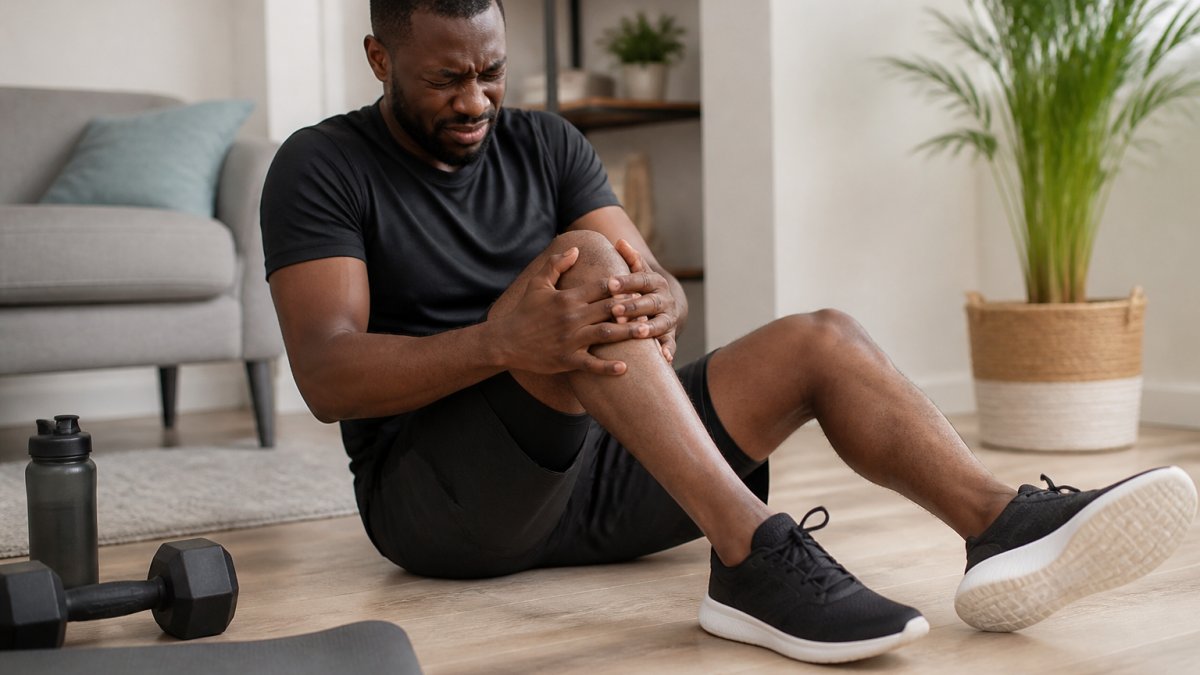
Injury prevention and professional oversight. Good programs teach proper form before adding load, progress volume gradually across weeks, and build rest into the session rather than treating it as weakness. Instructors should be able to demonstrate a regression and a progression for every major movement, a squat to a box, a push-up on an incline, a row with a lighter band. Ask directly how instructors handle existing injuries and whether programming changes over time; a program that cannot answer those questions clearly is a program that treats everyone identically.
Inclusivity for neurodivergent participants. Some participants, including people with ADHD, autism, or sensory processing differences, may benefit from predictable class structure, advance notice of workout changes, lower-sensory environments, clear cues, and the option to step out. Ask a program whether it offers these kinds of accommodations.
Psychological safety. Intensity should not become a competition. Instructors who celebrate effort and normalize rest and scaling help create a supportive room. For low and medium intensity workouts, this moisture-wicking sports bra offers support in the shoulder straps and double layer front.
Safety in non-traditional settings. When training happens outdoors or in shared spaces, ask about the basics: an emergency plan, first aid access, adequate space, and instructor certifications. General guidance is not a substitute for advice from a qualified healthcare professional, so check with your doctor about what is appropriate for you, especially if you are managing a health condition or returning from injury.
Watch Out Inclusivity without safety is just marketing. Before you commit to a program, confirm three things: a pre-participation screening process, instructors with current CPR/AED certification, and a stated policy for adapting movements to injuries and sensory needs.
Reserve Your Spot in a Stay Fit Culture Class
The gap between wanting to get fit and actually getting fit usually comes down to whether anyone is expecting you. That is the problem a real fitness community solves, and it is what we built Stay Fit Culture around. Our classes combine distinctive routines crafted by founder Khalil the Fitness Guru, personalized coaching, and a lifestyle approach that includes nutrition and healthy habits, all inside an environment we call a fit family. Whether you are chasing significant weight loss, supporting a teenage athlete, or simply looking for a place where showing up feels natural, there is a class with your name on it. Come see what the room feels like. Feel exceptional comfort all through your training with these crossover leggings with pockets.
Frequently Asked Questions
What are the social benefits of joining a group fitness community?
Group fitness communities create regular face-to-face contact that reduces isolation and builds social cohesion. Members encourage each other during workouts, celebrate milestones together, and often form friendships that extend beyond the gym. This peer support raises exercise adherence because people show up for the people, not just the workout. Research on community-based interventions consistently links social engagement in fitness settings to better mental well-being and stronger long-term health habits.
How does community-based training improve long-term fitness adherence?
Accountability is the mechanism. When classmates notice you are missing and coaches check in, skipping a session becomes a social cost rather than a private decision. Behavioral change research shows that peer support and scheduled group commitments outperform solo intentions for sticking with a fitness routine. The shared enthusiasm of a class also makes hard sessions feel easier, which keeps people returning through the months when motivation alone fades.
What are the key differences between solo workouts and group training?
Solo workouts offer flexibility and privacy but rely entirely on self-motivation. Group training can add structure, coaching feedback, and social pressure that supports exercise adherence. Many people also find the energy of training alongside others motivating. For people who have quit gyms before, the community layer is often the difference between a few weeks of effort and a sustainable fitness routine.
How can community-based fitness programs support mental health?
Exercise releases endorphins, and group settings amplify the effect through social connection. Many people find that group settings add a sense of belonging. The psychological benefits come from three places: the workout itself, the peer support around it, and the goal actualization that comes from showing up consistently. Community-based intervention models treat mental well-being as a core outcome, not a side effect.
What should I look for when choosing strength training classes near me?
Check three things: coach credentials, class size, and whether the program scales to your level. When comparing classes, look for programs that offer modified movements for different levels. Ask how the gym handles old injuries, who provides nutrition guidance and what their credentials are, and how flexible the schedule is. Visiting once before committing can help you judge the atmosphere.
Are there physical health advantages to training in a group setting?
Group training can support fitness goals for many people. The consistency that community support can encourage may help with overall activity levels over time, which matters for mobility and independence as you age.
The hardest part of any fitness routine is the third week, when motivation fades and old habits push back. A community is what carries you through that stretch. Stay Fit Culture offers expert-led group classes, personalized training sessions, and a comprehensive lifestyle approach built around sustainable transformation, so you are never training alone. Reserve your spot in a class today and find out what it feels like to have a whole room rooting for you.



Comments